

Transparence: Industrial Energy Monitoring Saves €7,200 Annually
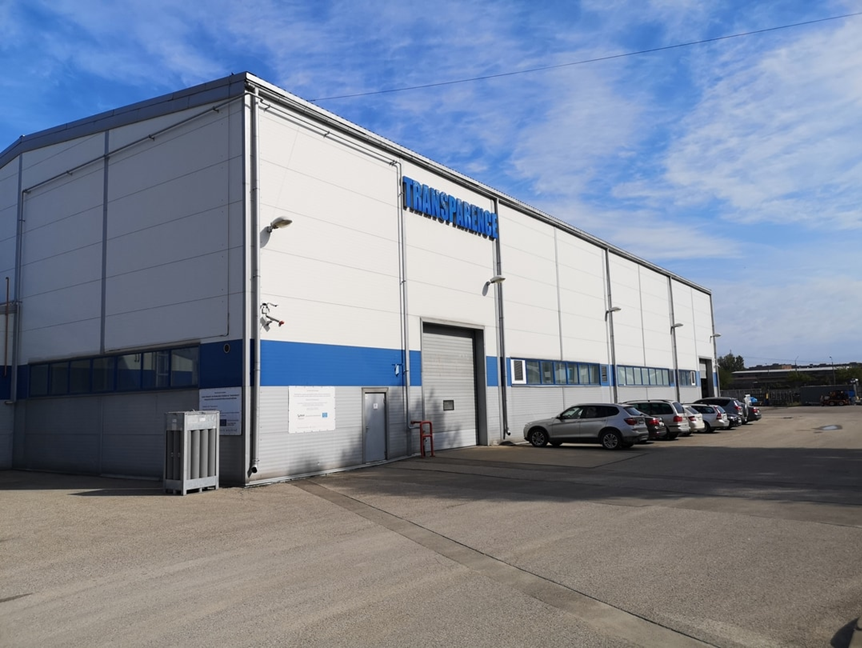
With an annual turnover of 5mln EUR and over 80 employees Transparence is the largest glass processing manufacturer in Latvia, which has been operating since 2003, exporting the majority of its products. The technology offered by the company for the processing of glass allows to execute full spectrum of orders - Transparence manufactures insulating glass, gaskets, performs water-jet cutting, as well as processing of all types of glass, offering decorative, tinted, heat-insulating, solar-refractory, fireproof, laminated and other types of glazing. To offer such a wide range of glass products, the company needs variety of technological equipment that consumes a significant amount of energy. As electricity bills kept rising, Transpar…
Risinājums
AdvanGrid novērtēja situāciju rūpnīcā un konsultējās ar rūpnīcas enerģijas speciālistiem, līdz tika atrasts risinājums. Dažādās ražošanas un pārstrādes iekārtās tika izvietotas vairākas GridLink ierīces. Noteiktu laika periodu notika monitorings, ļaujot rūpnīcas enerģijas speciālistiem izprast katras iekārtas patēriņu un parādot iekārtu izmantošanas efektivitāti. Transparence rūpnīcas personāls tika apmācīts pašiem uzstādīt un demontēt monitoringa ierīces, ļaujot viņiem uzraudzīt citas ražošanas iekārtas vai citus patērētājus. Pateicoties GridLink ierīces vienkāršajai uzstādīšanai un modernizēšanas funkcijai, to varēja izdarīt viegli un bez nepieciešamības izslēgt ražošanas līniju.
Rezultāti
Within a few days of installing the AdvanGrid equipment, wasteful power consumption was discovered - unnecessary operation of equipment at night, defects of production equipment, inefficiency of lighting system.
Reduction of electricity costs: By replacing inefficient lighting alone, the company achieved savings of € 7,200 in 12 months. Electricity consumption at night and on weekends was decreased by 30% as a result of repairs and reconfiguration of the production line.
Improved development planning: Management of the company had the opportunity to accurately assess current and planned electricity consumption and costs, which allowed to make the right decisions for the improvement of power supply. A third, most relevant production line was equipped with sensors for future monitoring.